Blogs

Psych4Schools consulting psychologist role
Would you like to work with Psych4Schools? Consult with us for up to 5 hours a week working from home or other suitable locations in your State or Territory. This role involves research, creation and development of publishable materials and assisting with social media. You will be registered by the Psychology Board of Australia and
Read more

Is there a lonely child in your classroom?
By Guest Blogger Melbourne Psychologist Jeannine Mills It’s normal to feel lonely every now and then but feeling lonely a lot of the time can be worrying. Loneliness is a ‘disconnection from others and refers to a negative perception of one’s relationships’[1]Peplau & Perlman 1982, referenced in M. H. Lim, (August 2018) Is Loneliness Australia’s
Read more

New release: Updated Intellectual Disability (revised) ebooklet
This week we released the revised Working with children with intellectual disability (revised) ebooklet. The revised ebooklet includes recommendations for how to help students with a mild to moderate intellectual disability in the classroom. Topics covered include: Working with a teachers aide and others in the classroom General classroom strategies Giving instructions Make reasonable adjustments to
Read more

A few years ago, I worked with Toby*, a Year 2 boy with dyslexia who was having trouble controlling his anger in the classroom. When he perceived tasks as too hard he would scrunch up work, throw pens, workbooks and other materials, sometimes yell, swear, and on rare occasions hit and push other students. Over
Read more

Resources to help students make and keep friends
At this time of the year peer acceptance and friendship issues often come to a head, requiring teacher support to assist children to manage and resolve their difficulties. Whatever the time of the year, children and adolescents who find it difficult to make friends frequently feel lonely and unhappy. They are also at risk of
Read more

NEW RELEASE: Difficulty making friends ebooklet
Friendship offers opportunities for sharing, learning, fun, excitement, self-disclosure, support, advice and long-term relationships. For many children, making and keeping friends is quite effortless, but for some it is a challenge. Sadly, about one in ten school-age children have no friends and are disliked by most of their classmates.[1] Asher, S.R., and Williams, G.A., (1996) Children
Read more

NAPLAN is possibly the most emotionally charged acronym in Australian education. The mere mention of NAPLAN can trigger stress, anxiety, blame, and passionate emotional debate. Whether you agree or disagree with the National Assessment Program – Literacy and Numeracy (NAPLAN), students in Years 3, 5, 7 and 9 are expected to participate. Now is a
Read more
Zoe talks about parental anxiety on Nightlife ABC radio
On Friday night Sarah Macdonald spoke to Zoe Ganim, Psych4Schools, Prof. Jennifer Hudson, Macquarie University, and Susan Boyd, P&C Federation, about anxious parents on the Nightlife Program on ABC radio. They spoke about what anxiety is, are there more anxious parents now than in previous generations, will the children be anxious, and how to manage
Read more

Supporting students who are bullied
The National Day Against Bullying and Violence is Friday,16 March. Around Australia, teachers will talk to students about the need to tell a teacher if they or another student is being bullied. This message is clearly captured in most if not all school policies and discussed regularly in classroom bullying prevention programs. Despite this, few
Read more
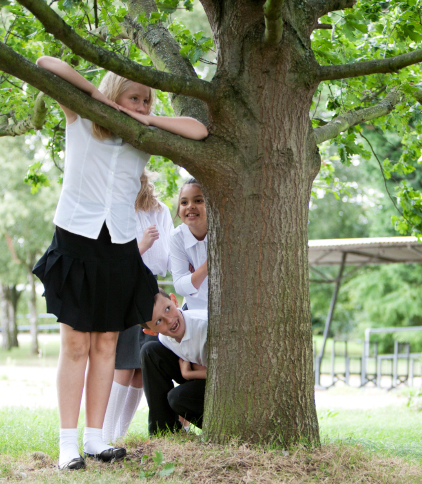
Children who are constantly moving, are typically not observing, listening, hearing or fully understanding the world around them. Their learning and social emotional development is ‘at risk’ of not developing in the same way or at the same expected rate as their peers. They often demonstrate a number of the following behaviours: reduced imaginary play
Read more
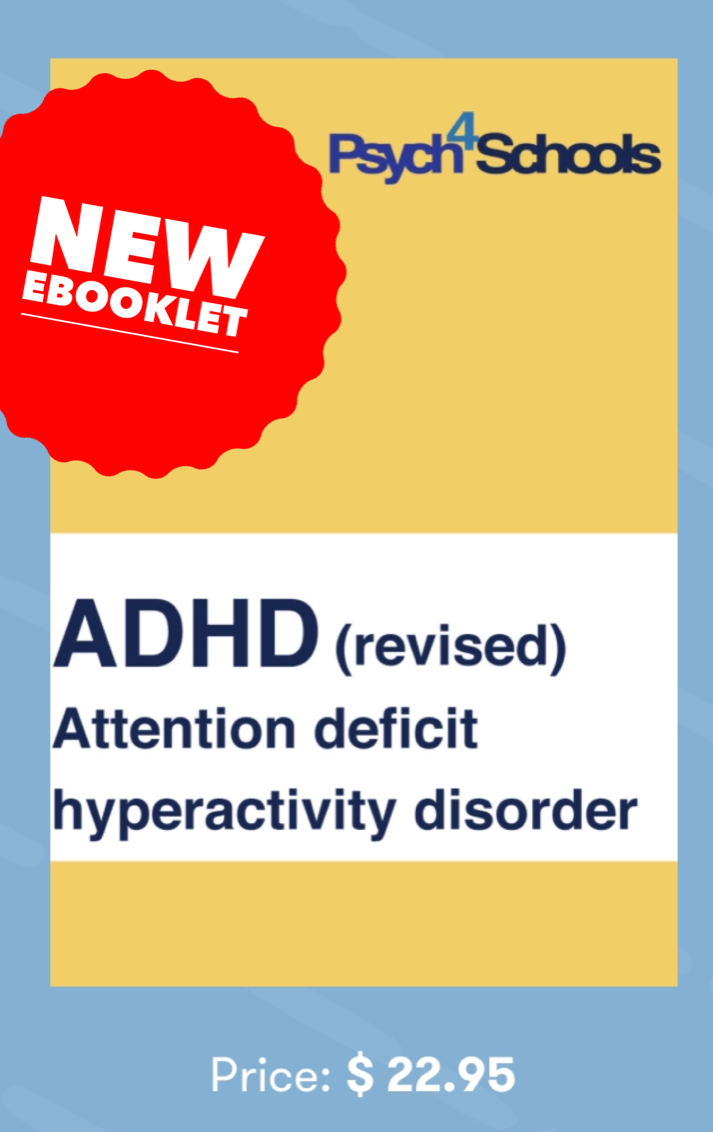
Revised ADHD ebooklet now available
The latest up-to-date strategies for working with a child with ADHD in your classroom is now available. The booklet includes recommendations for assisting the child in the following areas: General strategies Improve concentration and reduce attention drifting How teachers can help How the child can help themselves Adapt the way you give instructions Modify
Read more

We hope you enjoyed the break and are feeling excited and confident to meet your new students? Our previous blogs regarding the start of school have talked about building student engagement from the very first days. Here are some ideas to help you get off to a great start. Greet each student as they enter
Read more

Write a good things diary (aka a gratitude journal for the classroom)
The last days of school are upon us, and both students and teachers are eager for the holidays. At this time, motivation can drop, as we are all tired from the extra work requirements of exams and reports, and the end of year school and social activities. ‘This is a time when grumpy behaviour from
Read more
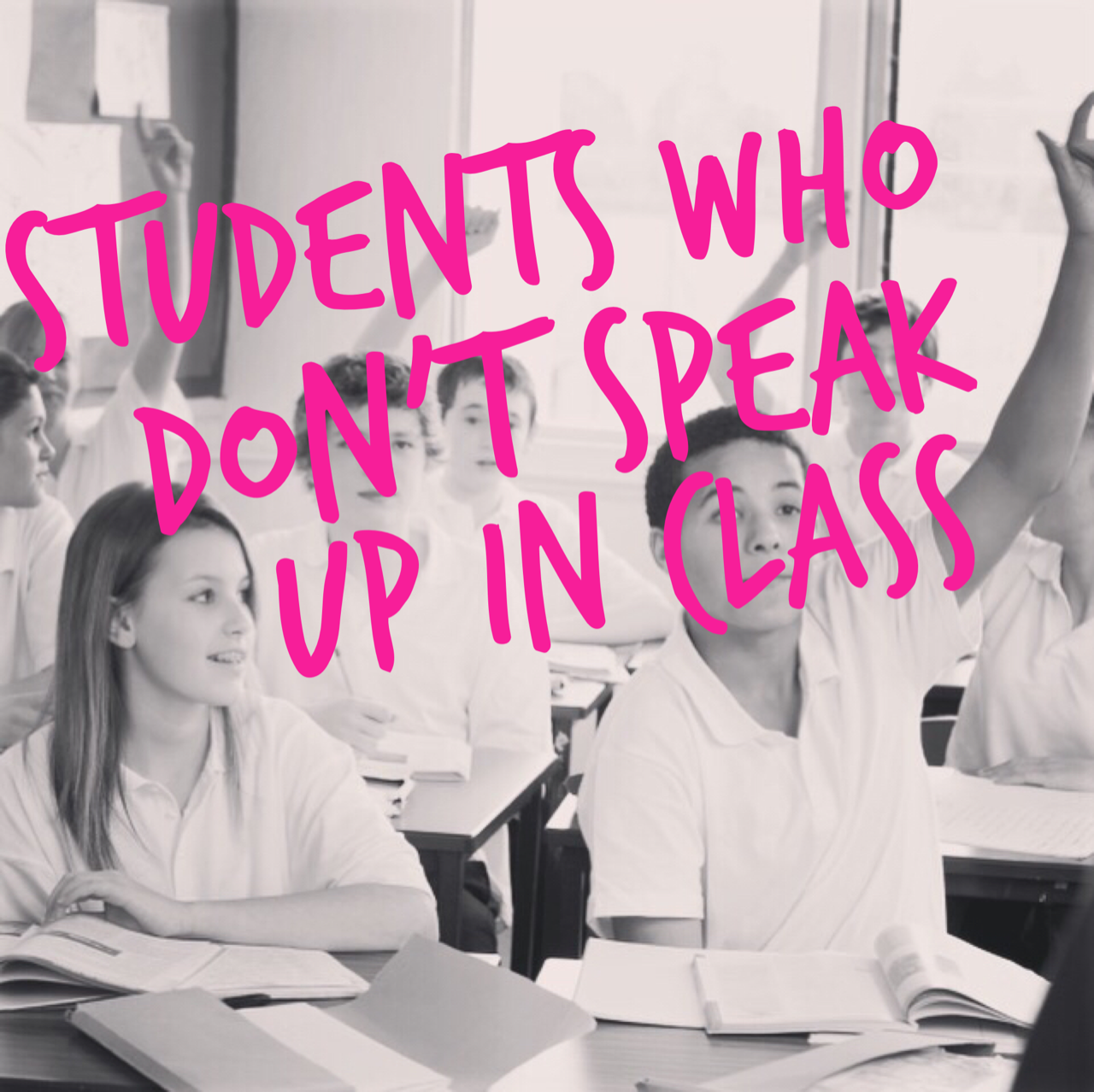
Students who don’t speak up in class
Many children do not feel comfortable speaking publicly in class. When a question is asked these children will often break eye contact with the teacher, pretend to be deep in thought, write something in their notebook, squirm in their seat, or elbow the person next to them to in an attempt to distract others from
Read more

Distracted, disengaged students? Possible reasons why.
There are many possible reasons for a lack of engagement in the classroom. Often these are non-school related. For example, not getting enough sleep, spending too much time with peers or screens, having too many extra-curricula activities, ‘issues’ at home, or simply being ‘lazy’. However, school-related factors are among the more common issues reported by
Read more
Dyslexia part II: Help to reduce reading difficulties
While learning to read seems effortless for many children, for some it can be challenging. As children are assessed mid-year, alarm bells can start to ring for those children who have not shown appropriate literacy growth. The following inclusive strategies, will assist early readers and help reduce the impact of dyslexia on those who have
Read more