Blogs
Psych4Schools offers a library of ebooklets dedicated to enhancing the wellbeing, teaching and learning of children and young adolescents. Topics include emotional regulation, challenging behaviours, general childhood development and disabilities and disorders. To complement the ebooklets, Members can access eight resource packages. One of these is our Friendship difficulties package which offers five additional teacher
Read more

School refusal – take a book to bed not the mobile phone
School refusal is a complex issue that affects a significant number of students and their families. It can be challenging for everyone involved, from students and parents to teachers, principals, and psychologists. Understanding underlying causes of school refusal and various strategies that can be employed to address it are crucial for effectively supporting students. For
Read more
Autistic girls can present differently from autistic boys
Boys are currently four times more likely to be diagnosed with autism than girls, [1] as many girls seem better able to mask their autistic traits and challenges. Autism spectrum disorder (ASD) is a collective term for a group of neurodevelopmental disorders characterised by persistent challenges in social communication and social interaction, and traits such
Read more
Working with children who call out
Low-level disruptive behaviours are common in many classrooms, and the impact on student learning cannot be under-estimated. The OECD Teaching and Learning International Survey (TALIS) revealed about one quarter of Australian teachers’ classroom time was spent on classroom discipline and administrative tasks, rather than on teaching and learning.[1] Behaviours such as calling out, teasing, being
Read more
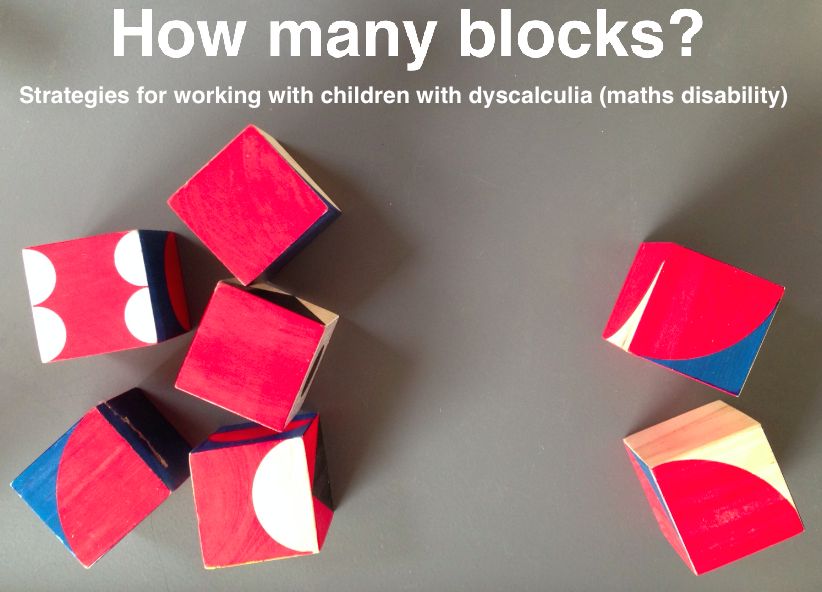
Dyscalculia is a maths disability
Dyscalculia is a mathematics disability Do you teach students who struggle with the concept of number and calculating? Do they have poor ‘number sense’? Dyscalculia is a mathematics disability causing significant difficulties with: number (size or quantity) the relationship of numbers to one another a lack of sight recognition and feel for number problems with
Read more
Anxiety and Autism Spectrum Disorder
Autism spectrum disorder (ASD) is a collective term for a group of neurodevelopmental disorders characterised by persistent deficits in social communication and social interaction, and by repetitive patterns of behaviour and restricted interests.[1] The severity of autism is diagnosed from mild to severe and reflects the degree of support the child needs in relation to
Read more
School Refusal: Strategies and Resources for Schools
School refusal is a complex issue that affects a significant number of students and their families. It can be a challenging experience for everyone involved, from students and parents to teachers, principals, and psychologists. Understanding underlying causes of school refusal and various strategies that can be employed to address it are crucial for effectively supporting
Read more
We need to talk about handwriting
Pencils, pens and paper remain relevant Despite the widespread uptake of word processing from the 1980s, the rapid rise of the Internet in the early 2000s, and more recently the increased use of laptops and other digital devices people continue to write by hand each day. Handwriting remains entrenched because pens and pencils are low
Read more
While many students will settle into school routines with ease, two psycho-social issues currently confront a number of Australian children in primary and junior secondary years – school refusal and separation anxiety. While adjustment to school can take time, the pandemic has also contributed to increased feelings of uncertainty, stress and anxiety for some children.
Read more
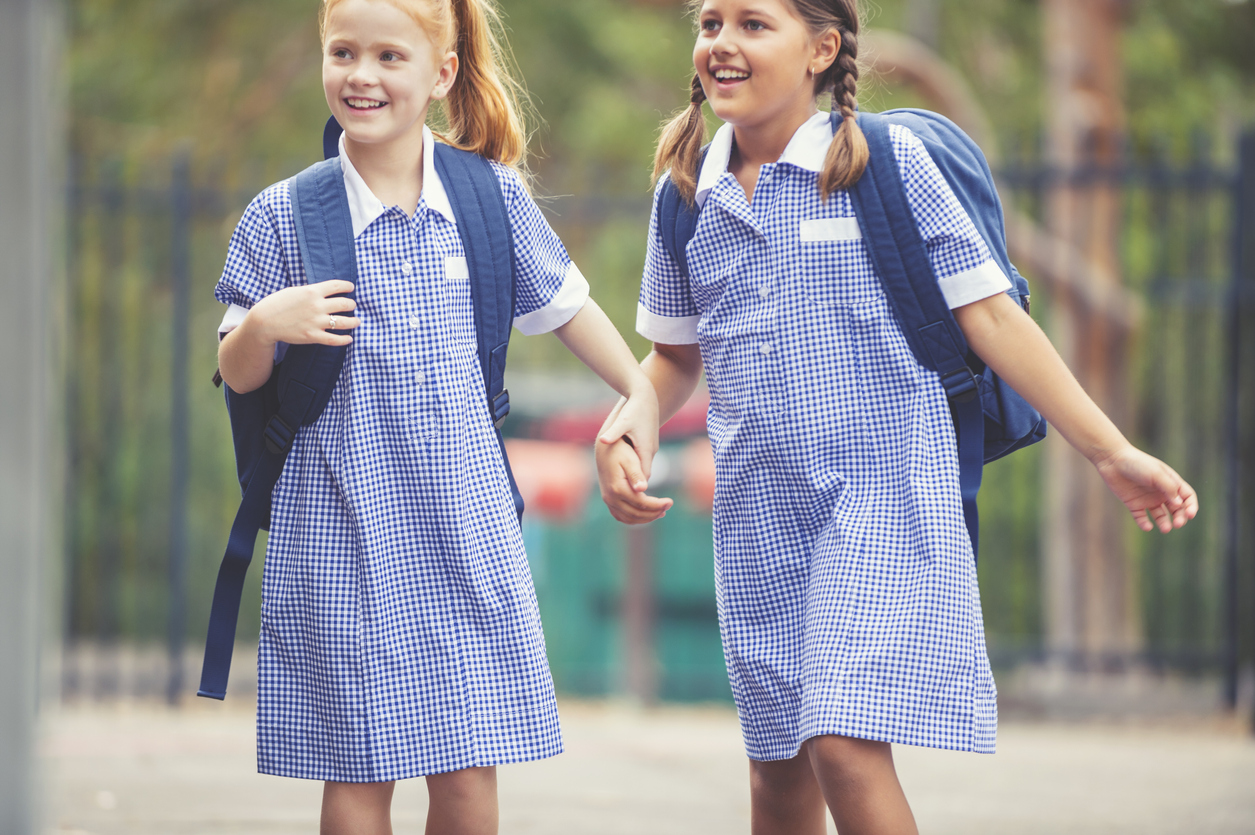
Helping young children return to school after remote learning
In some Australian states and territories children will return to school progressively over the next few weeks following lockdown periods. What can parents/carers and teachers do to help with this transition? The Royal Children’s Hospital (RCH) Melbourne recently presented a videoconference with an expert panel on helping Year F-2 children return to school. The panel
Read more

Helping to reduce pandemic fatigue and fear in children
Pandemic fatigue refers to the mental exhaustion that comes from the sustained increase of stress and uncertainty during the global pandemic of COVID-19. 1 The devastating impact of the coronavirus threatens our sense of control and safety causing concern, fear, and excessive worry. Increasingly, the issues surrounding COVID-19 and other life-threatening local, national, and global
Read more
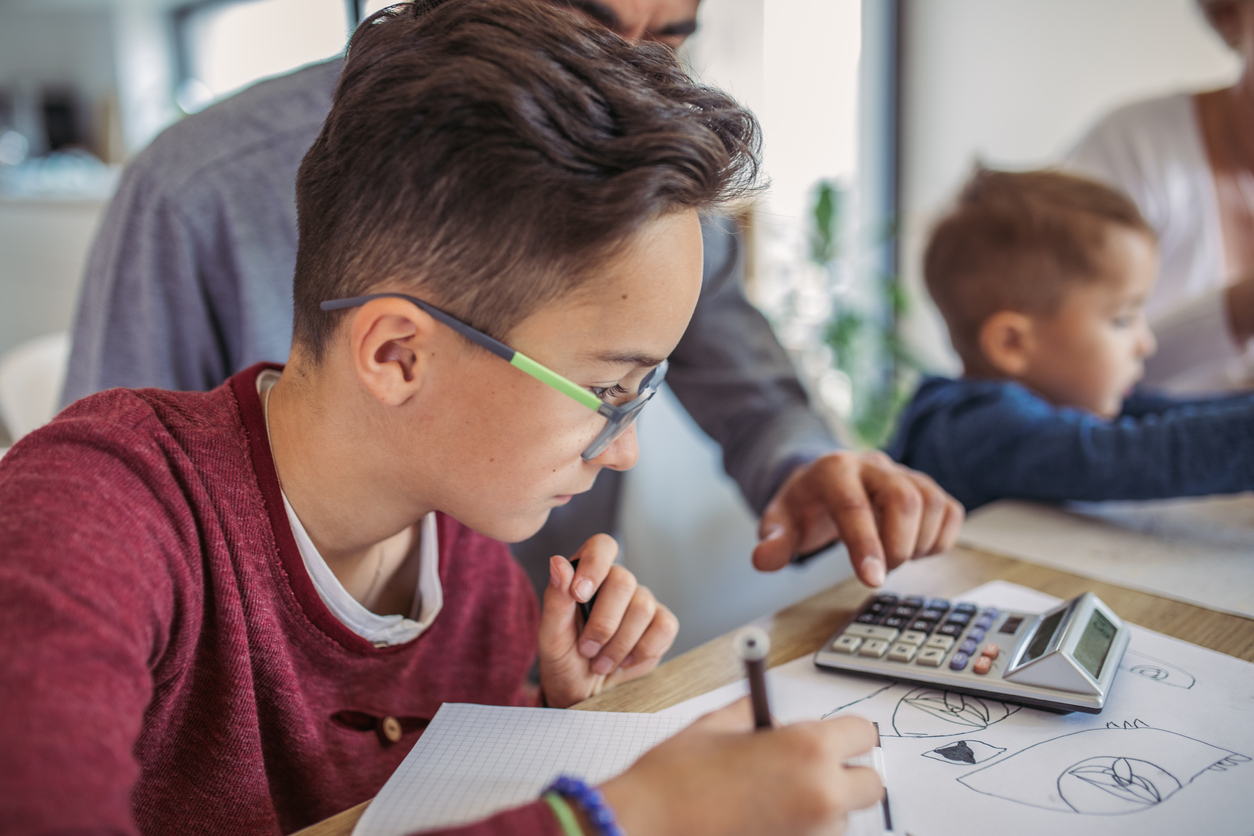
Do you have students with a poor sense of number?
With mid-year reports completed, the second half of the year now presents the challenge of helping those who experience significant difficulties grasping the size or quantity of a number and the relationship of numbers to one another. Dyscalculia is a mathematics disability causing significant difficulties with: mastering a sense of number grasping, and understanding the
Read more
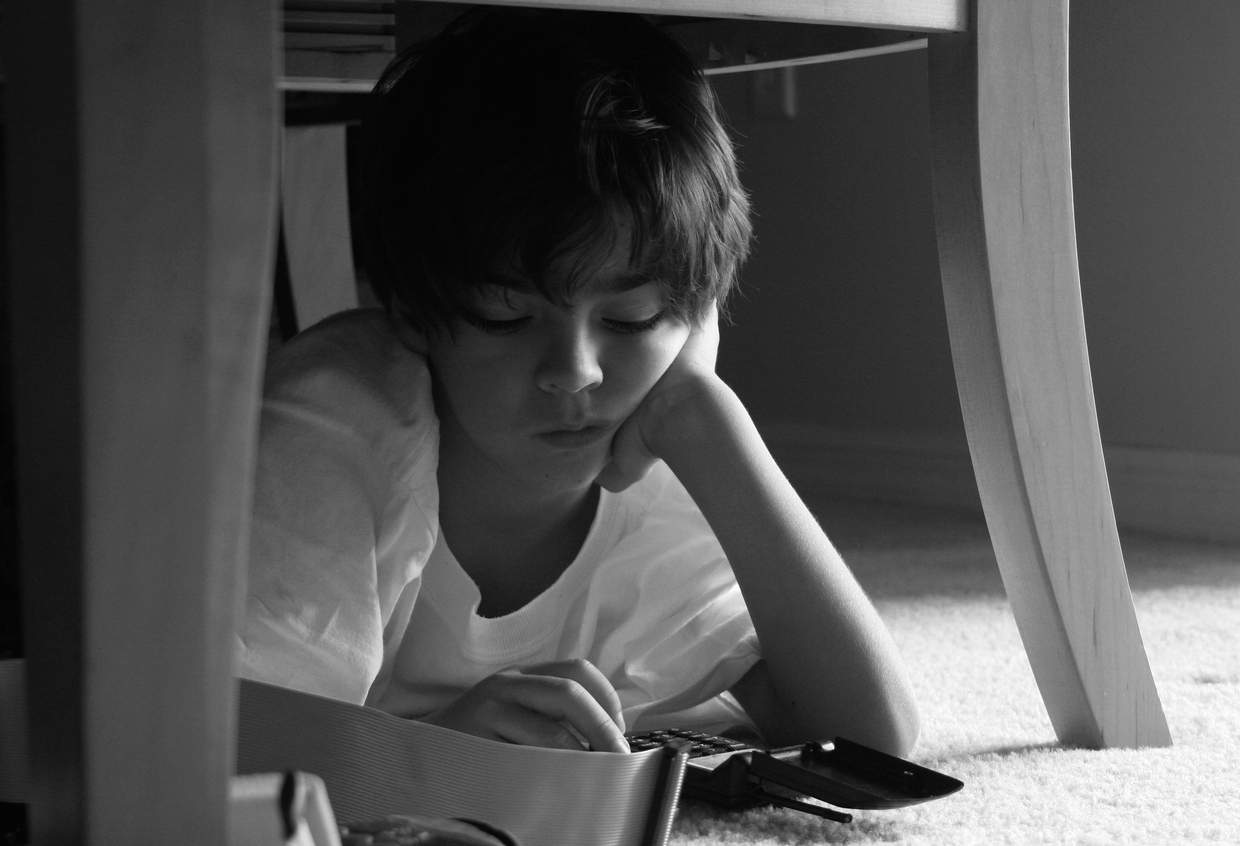
Q: ‘I have a child Todd in my class who whines and can get under the table when work is required of him. He calls out and lacks understanding of other children’s personal space. He speaks loudly close up to their faces. He also wants to be first when lining up. Todd is in Reception
Read more
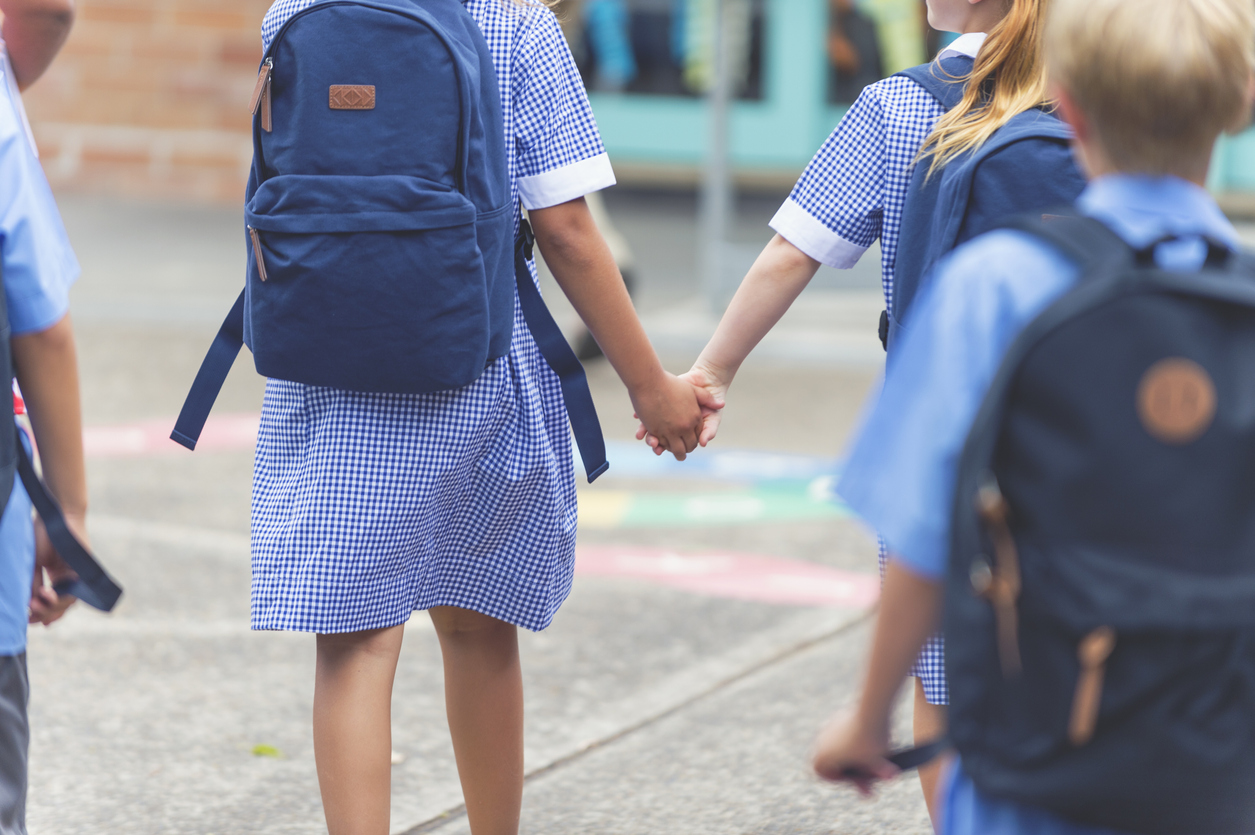
Building friendship skills to reduce bullying
The National Day of Action Against Bullying and Violence (NDA) is Australia’s key bullying prevention initiative, connecting schools and communities to find workable solutions to bullying and violence. The key theme, ‘Take Action Together’, will be addressed in many schools on Friday 19 March as children, teachers and parents work together to find solutions to
Read more
Separation anxiety – revised ebooklet available
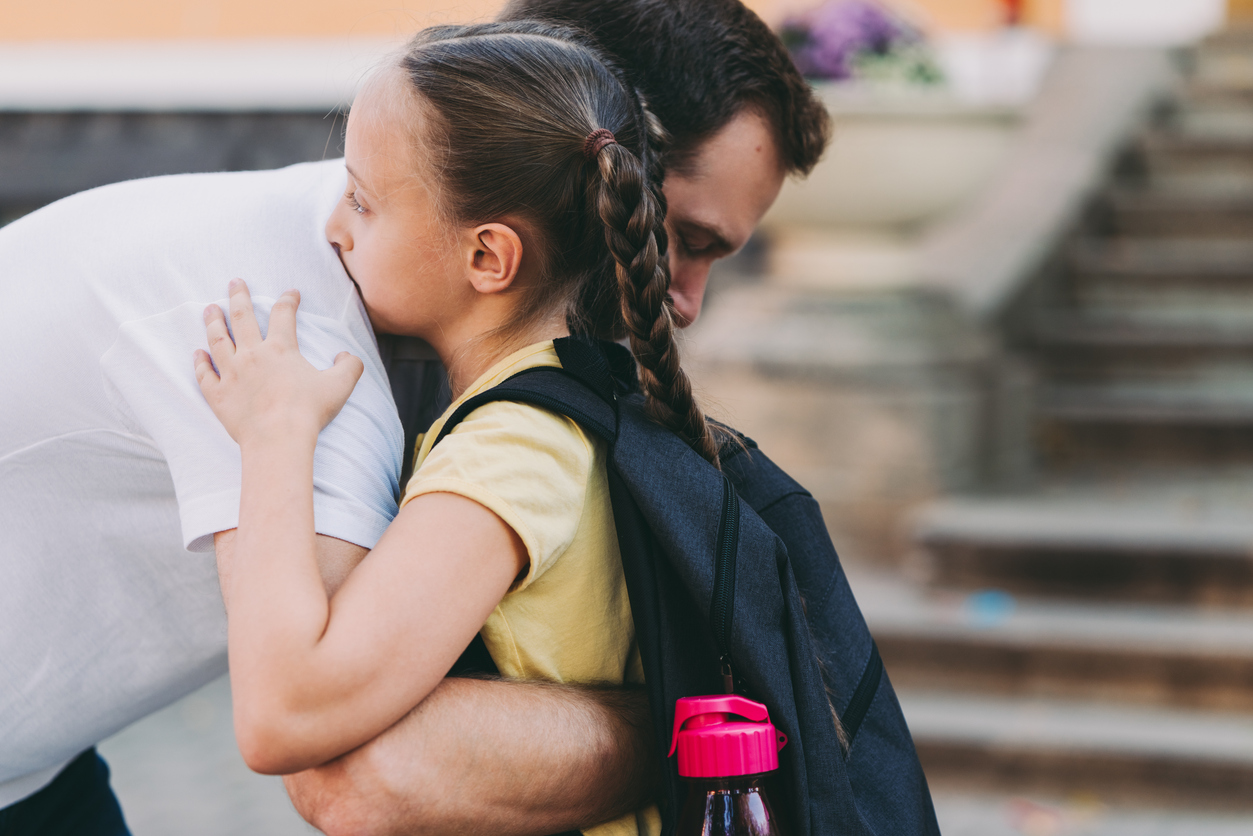
Separation anxiety can affect children of all ages. About four per cent of primary school age children experience excessive separation anxiety when separated from their parent or primary care giver [1]. Typically, these children persistently worry about being forgotten, or fear their parent/carer being harmed or not returning. Separation anxiety and associated fears can also be
Read more

Summer reading from Psych4Schools
We wish you well as you work tirelessly to close off the school year and 2020. During this summer break, we invite you to read our two new Psych4schools ebooklets to help enhance your school’s capacity to manage some of the potential challenges 2021 may present. Working with children who fear life-threatening events (revised) provides
Read more