Category: Classroom
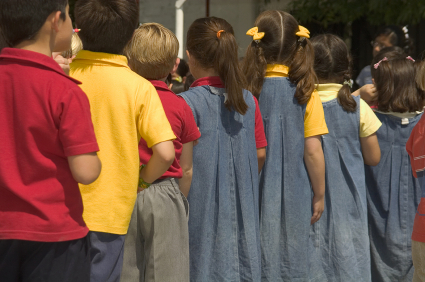
Autistic girls can present differently from autistic boys
Boys are currently four times more likely to be diagnosed with autism than girls, [1] as many girls seem better able to mask their autistic traits and challenges. Autism spectrum disorder (ASD) is a collective term for a group of neurodevelopmental disorders characterised by persistent challenges in social communication and social interaction, and traits such
Read more
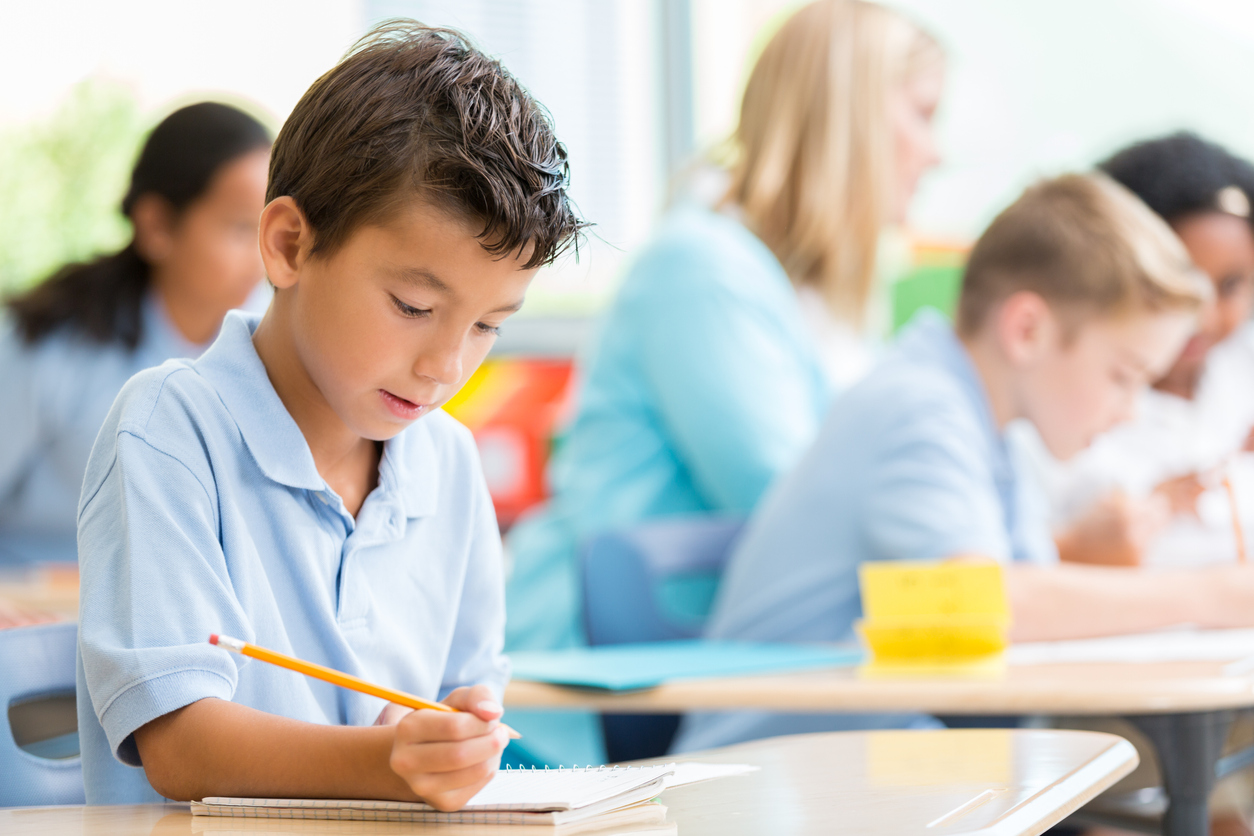
We need to talk about handwriting
Pencils, pens and paper remain relevant Despite the widespread uptake of word processing from the 1980s, the rapid rise of the Internet in the early 2000s, and more recently the increased use of laptops and other digital devices people continue to write by hand each day. Handwriting remains entrenched because pens and pencils are low
Read more
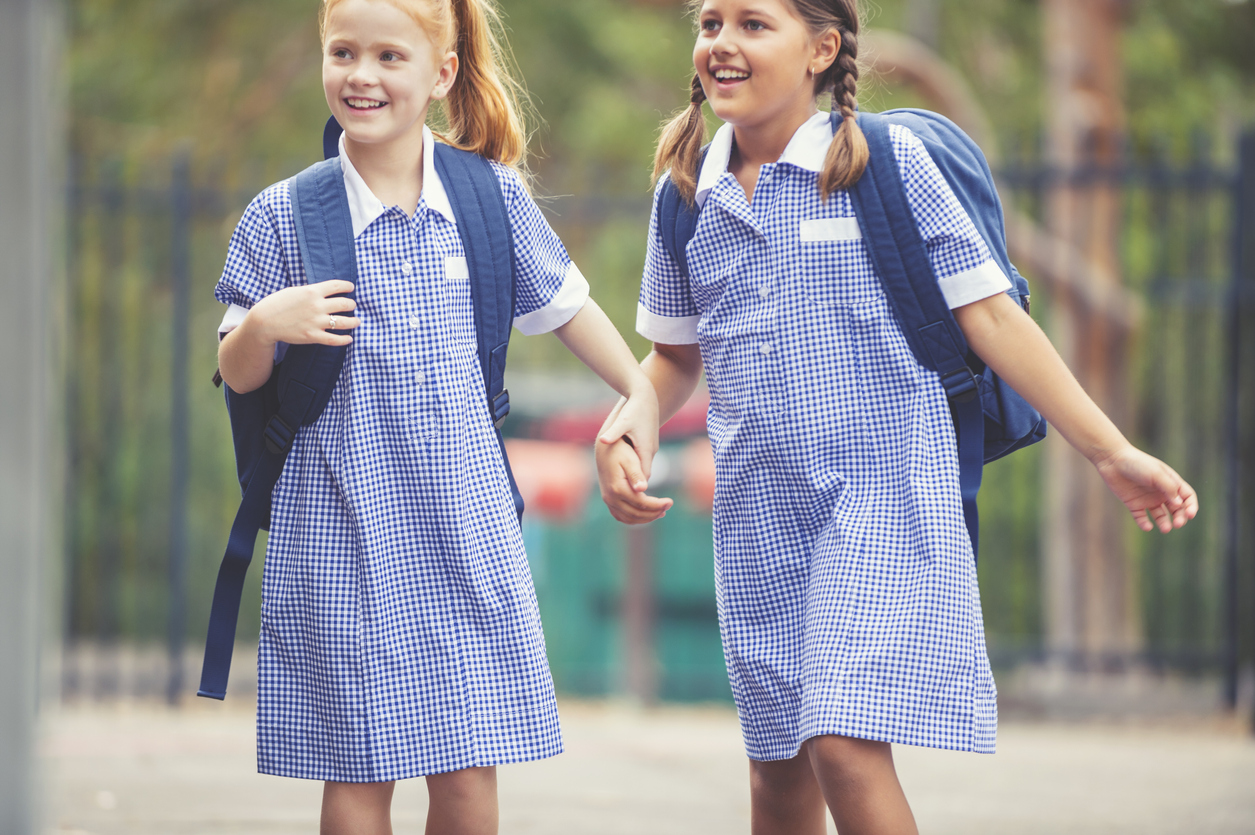
Helping young children return to school after remote learning
In some Australian states and territories children will return to school progressively over the next few weeks following lockdown periods. What can parents/carers and teachers do to help with this transition? The Royal Children’s Hospital (RCH) Melbourne recently presented a videoconference with an expert panel on helping Year F-2 children return to school. The panel
Read more

Summer reading from Psych4Schools
We wish you well as you work tirelessly to close off the school year and 2020. During this summer break, we invite you to read our two new Psych4schools ebooklets to help enhance your school’s capacity to manage some of the potential challenges 2021 may present. Working with children who fear life-threatening events (revised) provides
Read more

Impact of COVID-19 and preparing for Term 4
As teachers and students take a well-earned break, we wish to send a huge shout-out to teachers who have been working harder than ever to ensure the wellbeing of our nation’s children, as well as managing teaching and learning programs. This is such a challenge when many adults, including teachers are feeling heightened levels of
Read more

Supporting parents with at-home learning
Psych4Schools thanks our nation’s teachers and school support staff who have spent weeks preparing and delivering teaching and learning packages for students and families to support at-home learning. Carefully selected physical materials will help cater for the diverse needs of learners and those without access to remote learning tools. For many there will be some
Read more

Welcome back to our Members and eNews Subscribers. A special welcome to new members who have joined in recent days. This is a busy time of year as teachers, support staff and other school professionals meet new students, organise programs, teaching and learning activities and resources. We would like to share five ideas that you
Read more

We hope you enjoyed the break and are feeling excited and confident to meet your new students? Our previous blogs regarding the start of school have talked about building student engagement from the very first days. Here are some ideas to help you get off to a great start. Greet each student as they enter
Read more

Write a good things diary (aka a gratitude journal for the classroom)
The last days of school are upon us, and both students and teachers are eager for the holidays. At this time, motivation can drop, as we are all tired from the extra work requirements of exams and reports, and the end of year school and social activities. ‘This is a time when grumpy behaviour from
Read more
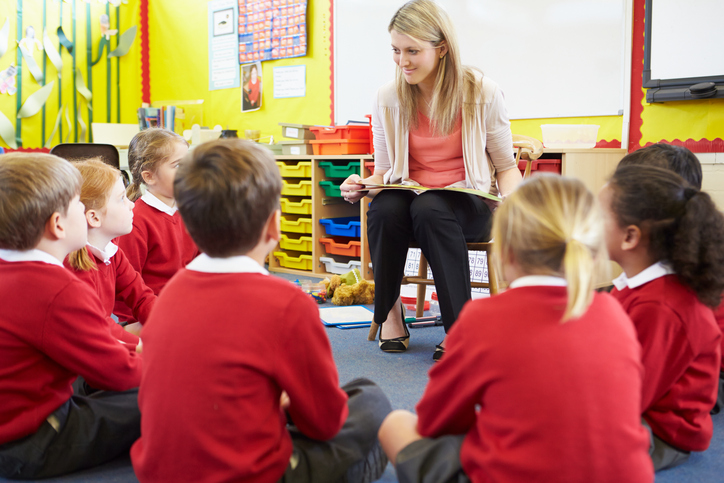
Build engagement from the first day of school
As the first day of school approaches many teachers will be planning how to maximise student engagement in the classroom. One of the best strategies is to build strong student-teacher relationships. Teacher-student relationships play an essential role in a child’s motivation and engagement.[1] Maulana R., Opdenakker M. C., Stroet K., Bosker R. ‘Changes in teachers’
Read more

Hot tips to get you through the last days of school
How are you feeling today? Exhausted? Sad? Relieved? Stressed? Excited? With only a few days (for those lucky ones) or a week or so until the end of the school year, you may feel like you’re limping along to the summer holiday finish line. Me too. Here’s what has been helping me get through the
Read more

The importance of taking a break
When students engage in a task involving high concentration for an extended period of time, the brain’s messenger chemicals or neurotransmitters, like dopamine and serotonin, are depleted and they can experience ‘burnout’. As a result, new memories are unlikely to be stored effectively. Observe your students whilst they are engaged in an activity for a
Read more
Feel more prepared and confident for teaching this year
You’re probably already thinking about what 2016 might bring for you and your students, and planning your term 1 program. It can be helpful to review your successes from last year, and those things that didn’t go so well. This information can help you to plan, prepare and be confident about the year ahead, particularly
Read more
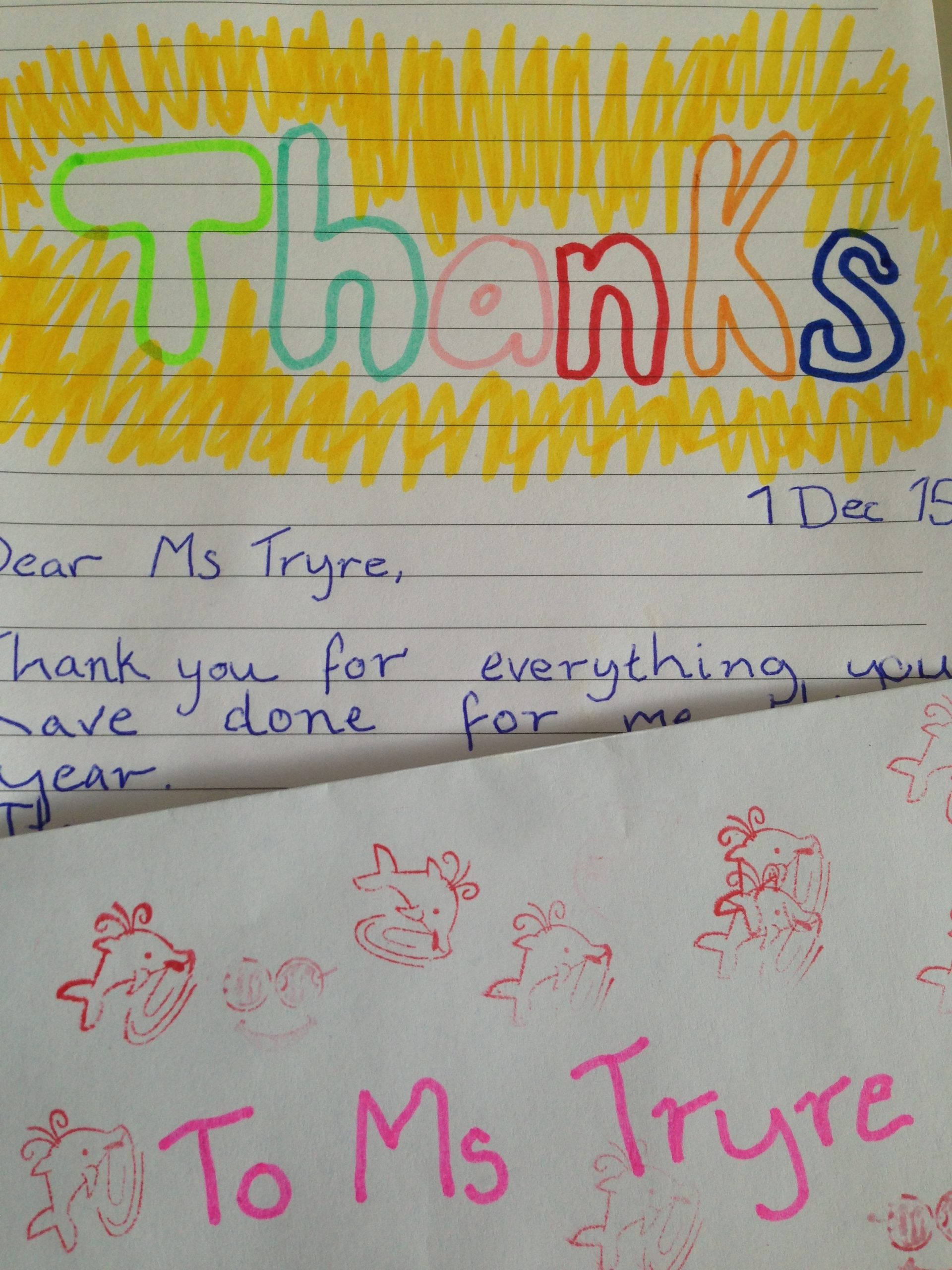
Reflect on the year – write a letter
This is a great time for students (and teachers) to actively reflect on their year. Taking time to think about what has been achieved this year both academically and personally is a great way to help students feel a sense of competency and closure at this time of the school year. Self-reflection can also help
Read more

Exams to mark? Reports to finalise? Students tired and irritable? Social events and school functions to attend? The end of the year in schools is often a busy and trying time for both staff and students. The last thing you probably feel like doing is thinking about next year. Making some time in the next few weeks,
Read more

Are you preparing for the school year ahead?
Yes, you are busy but a little bit of time and effort preparing for the year ahead can reduce a lot of hassles and stress in the new year. Spend some time in your end of year staff, or department meeting discussing, in small groups, the main student and parent issues that occurred this year
Read more